
Explore the addiction counselor job description, essential skills, and steps to embark on this impactful career. Understand how long physical heroin withdrawal lasts and the crucial role of medical support in recovery. Discover the dangers of leaving drug and alcohol rehab early and the path to sustained recovery. Discover why inpatient detox for alcohol offers critical support for effective recovery and lasting change. Dive into average age of substance Substance abuse abuse statistics, understanding onset, gender differences, and prevention. Explore how drugs are all around us, their impact, and prevention strategies to safeguard your loved ones.
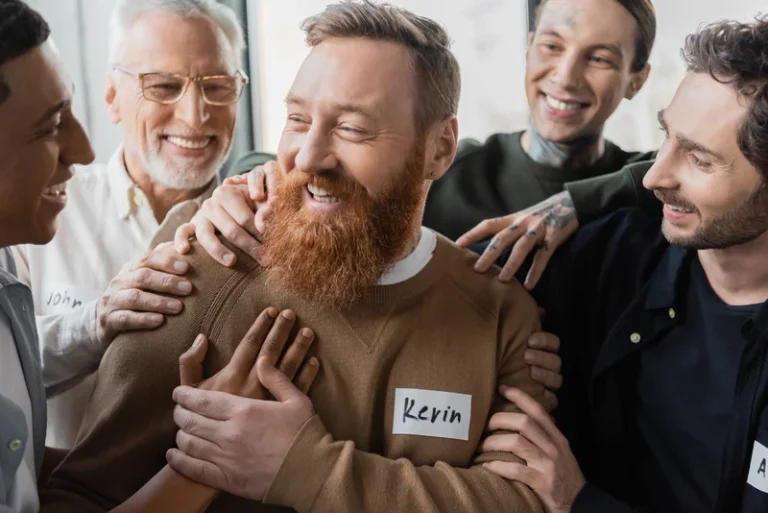
What Happens After You Get Sober? Life Beyond the 30 Days
A person shouldn’t consider themselves weak-willed or incapable when they admit to their powerlessness, and they don’t have to do anything about their addiction yet. Step One is just asking a person to acknowledge that they have the disease of addiction, and life is harder because of it. Join our supportive sober community where each day becomes a step towards personal growth and lasting positive change. Relapse Prevention (RP) is a set of strategies aimed at helping individuals maintain treatment gains and effectively cope with high-risk situations. RP acknowledges that relapse is a common occurrence in addiction recovery and focuses on equipping individuals with the skills and tools necessary to prevent relapse and manage setbacks.
- To acknowledge the way these substances have impacted your life is to admit that alcohol and drugs have made your life unmanageable and you can’t fix it on your own.
- Indeed, those emotions dictate how we interact with people and ourselves daily.
- MI can be used as a stand-alone treatment or in combination with other modalities, depending on the individual’s needs and preferences.
- We admitted we were powerless over our addiction, that our lives had become unmanageable.
- Embracing powerlessness in addiction begins with recognizing the need for help.
- For example, LifeRing Secular Recovery, SMART Recovery, HAMS, and Secular Organizations for Sobriety (SOS) focus on self-empowerment rather than looking outside yourself for help.
Essential Addiction Recovery Support Groups
So, you’ve recognized the signs of powerlessness and accepted that you need help. The good news is that there are many strategies and resources available to help you reclaim your life from addiction. Psychologically, accepting powerlessness can be incredibly liberating.
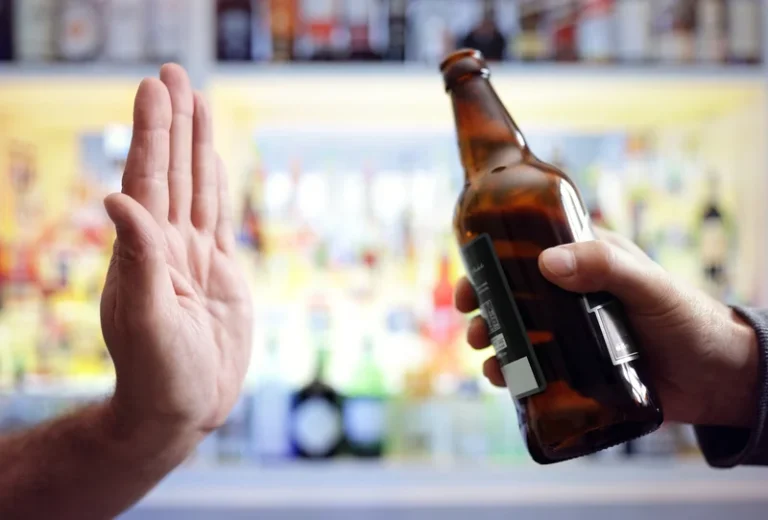
How to develop a positive mindset during addiction treatment
While accepting powerlessness is an important first step, true healing requires structured addiction treatment to address the root causes of addiction and develop sustainable coping strategies. For many individuals entering an alcohol rehab treatment or drug rehab treatment program, the concept of powerlessness can be difficult to accept. However, this realization frees individuals from the burden of trying to fight addiction alone and opens the door to effective, evidence-based treatment. The concept behind the references to God or a higher power in the 12-step program is to support addicts in the understanding that they need to find a source of strength that’s greater than themselves alone. This could mean God, a general belief system or the recovery community itself. To admit powerlessness over alcohol (or drugs) means accepting the fact that you’ve lost control over your substance use.
When individuals believe they have limited control over their circumstances or lack the ability to make meaningful changes, they may experience a sense of frustration and hopelessness. This frustration arises from the perception that their efforts and actions will not yield the desired powerlessness in addiction outcomes or bring about the changes they seek. These examples of social injustice highlight the systemic inequalities present in society. They contribute to the powerlessness experienced by individuals and communities affected by these injustices. Recognizing and addressing these issues is crucial in working towards a more equitable and just society.